

The Best Workout Playlist to Motivate You in 2019!
WellnessSnakeprint
UncategorizedOriginally I wasn’t sure about this trend but I have since succumbed to the allure of snake print. I now own three snake print crop tops that are all basically identical, a long sleeve snake print top, and a snake print belt and you know what? I HAVE NO REGRETS.


Shop the trend!
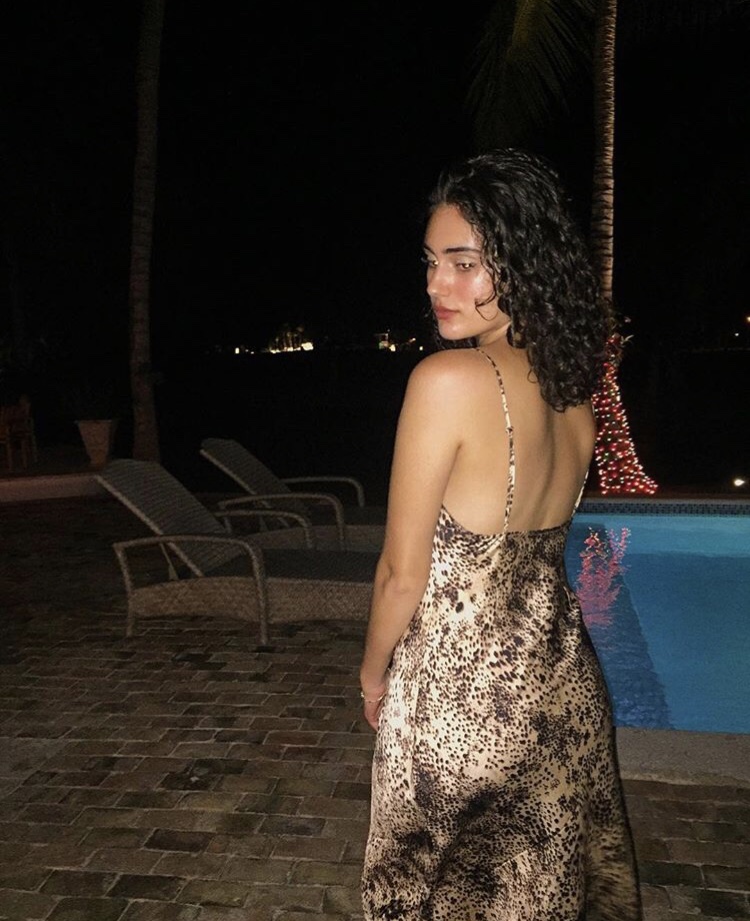
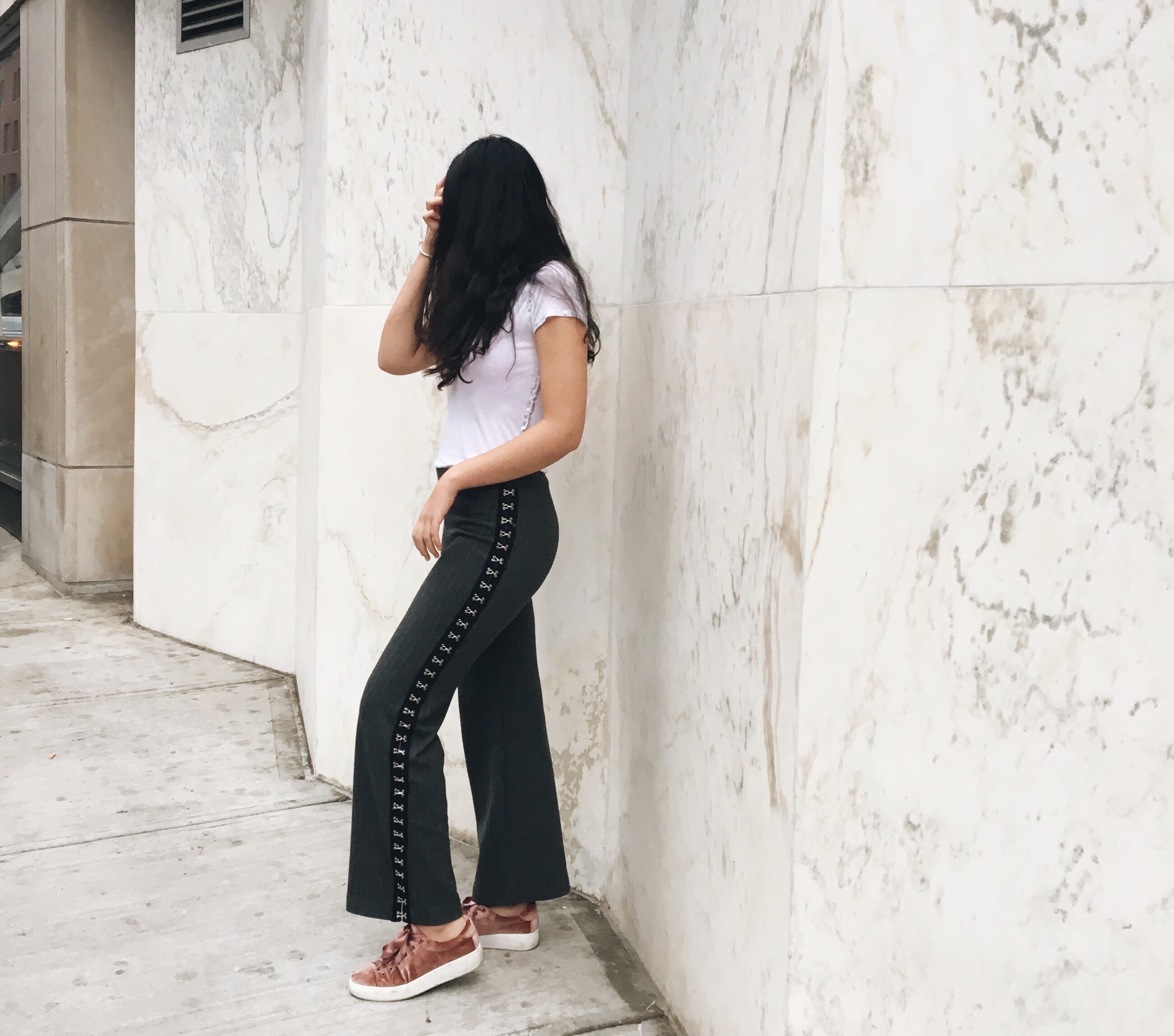
My Favorite Looks From The Dominican Republic
Beauty + Fashion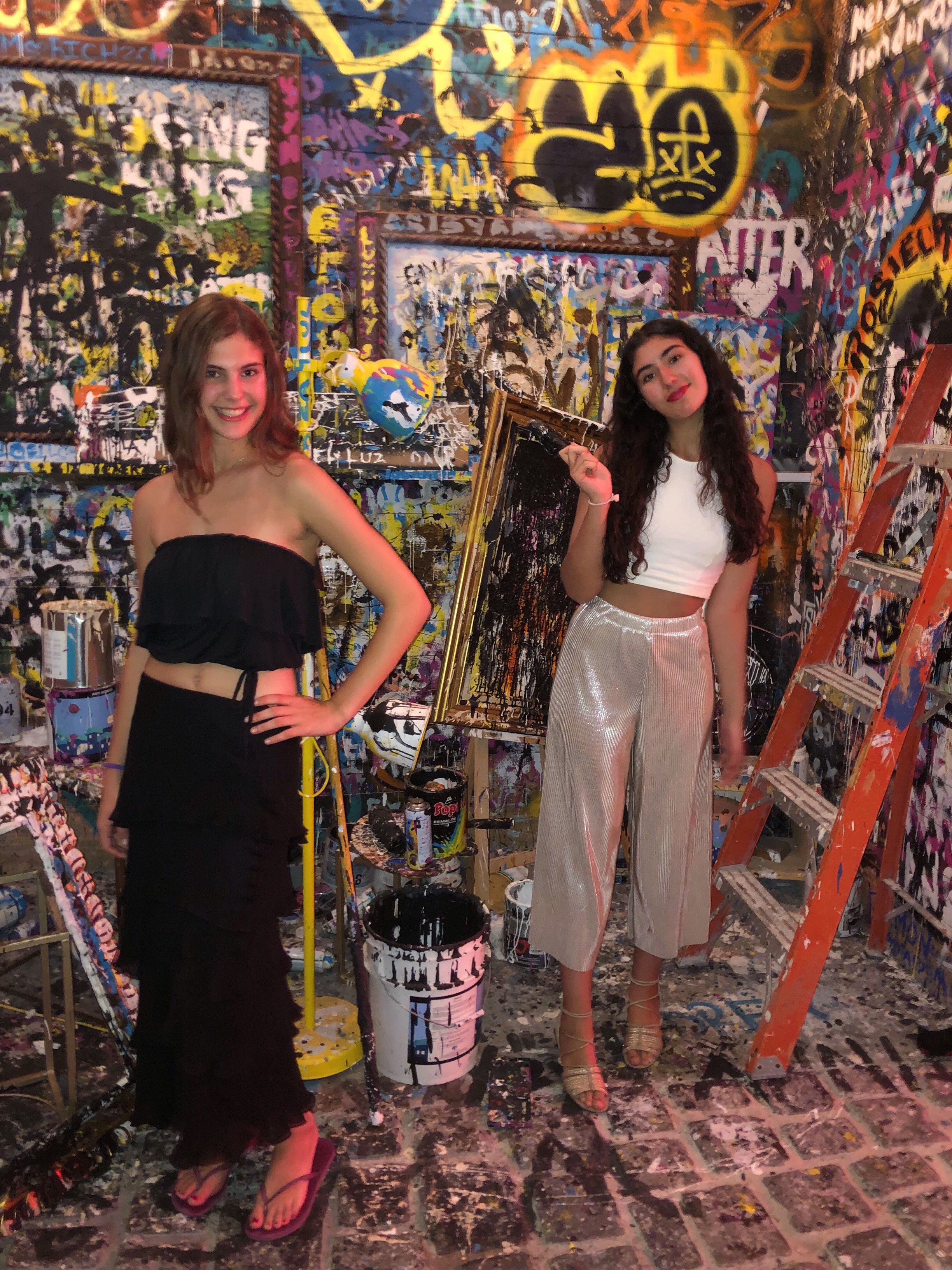




The Blazer
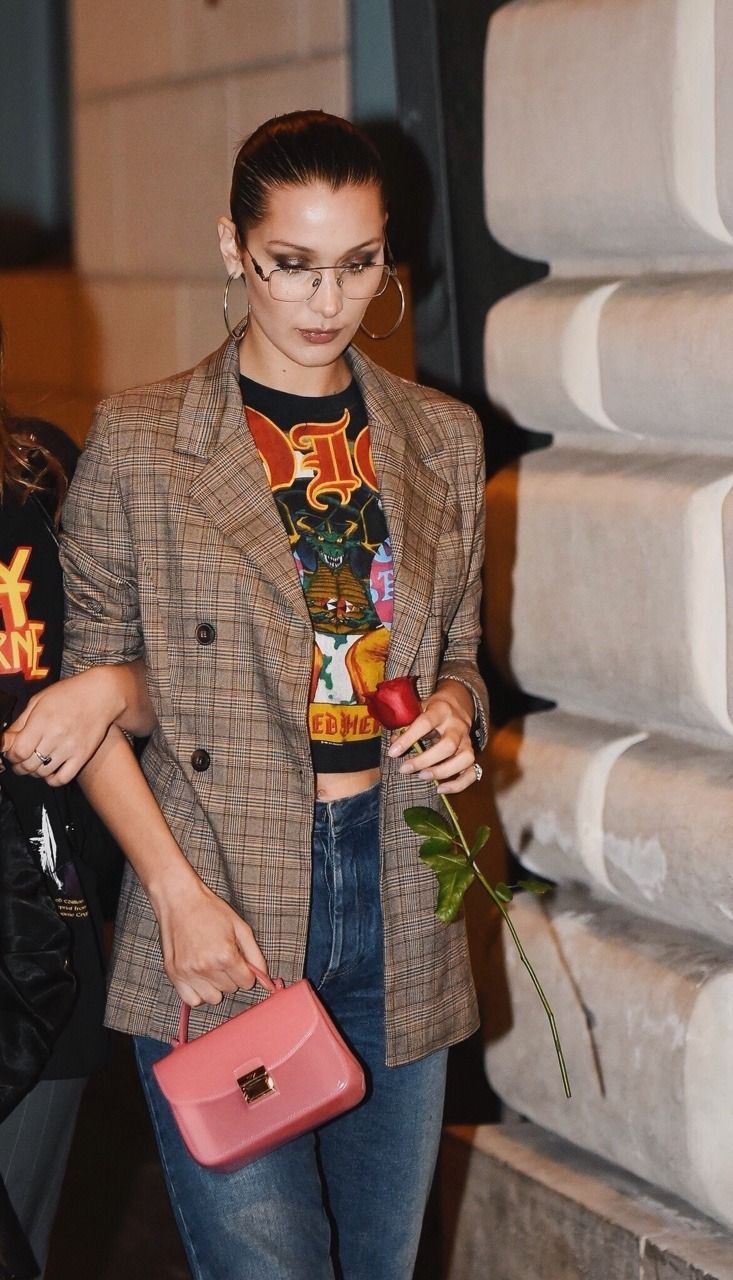
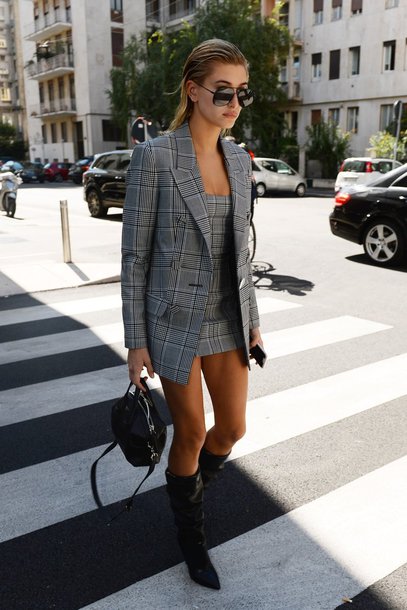
Beauty + FashionIn Chinese astrology, 2019 is the year of the horse. In my mind, 2019 is the year of the blazer. Menswear-inspired clothes are sweeping runways, red-carpets (Gaga’s grey suit at the Elle magazine’s Women in Hollywood event was EVERYTHING), Instagram feeds, and most recently, my closet. I have been trying to find a cute blazer for 6 months and I FINALLY DID IT. I don’t remember who I was pre-blazer and you know what? I’m really happy about that. This is probably the most versatile piece I own (job interview? You got it. Night out? Hell yeah. English presentation? Oh yes.) Chic girl-boss vibes all the way.



Shop the trend!
Where to Eat Semi-Healthy Brunch in NYC
FoodAt this point, I think I’m pretty much an expert in this field. If you’re looking to get some really great brunch in the city, this post is for you.
1. If you’re craving some really killer middle eastern food: Shuka

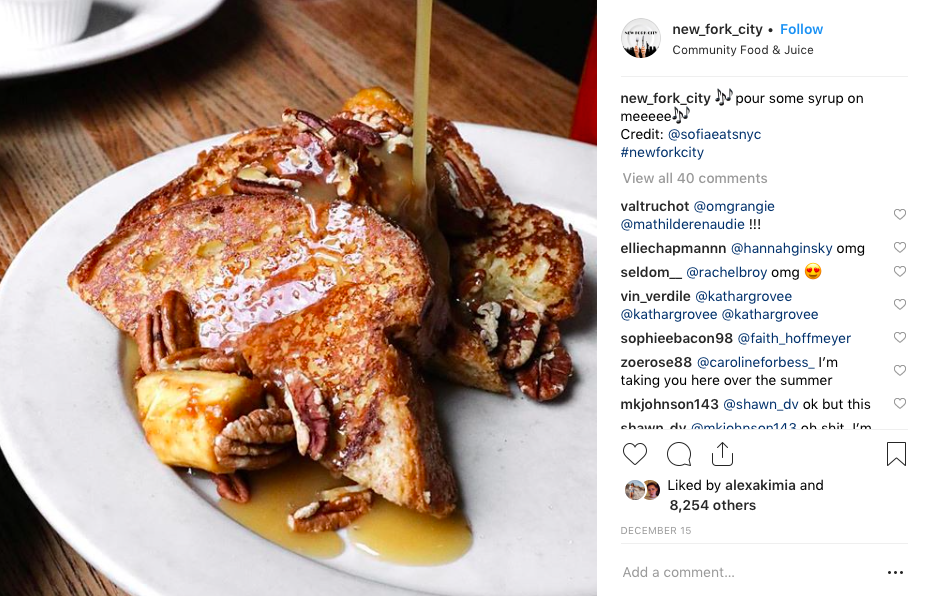
2. In the mood for farm to table eats in upper Manhattan? Check out Community Food and Juice
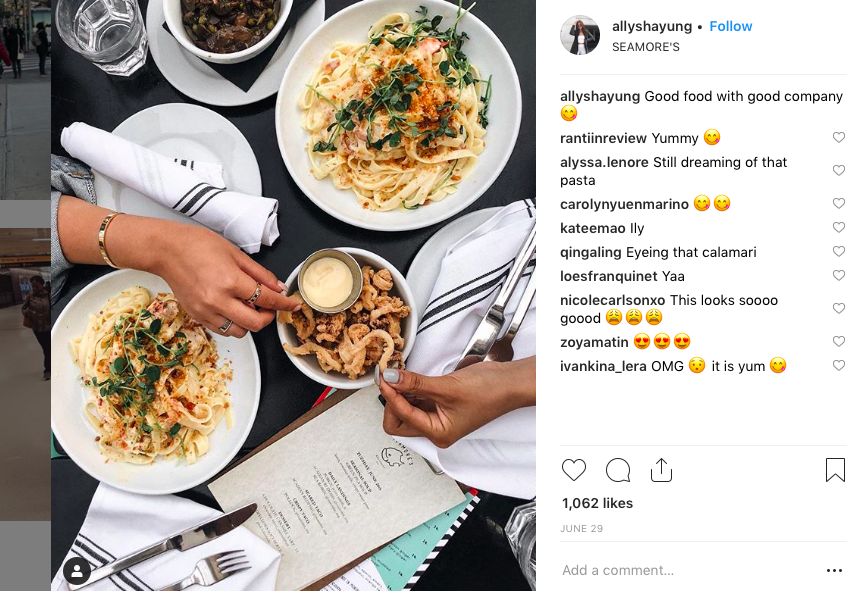
3. If you love Seafood and instagramable settings: Seamore’s
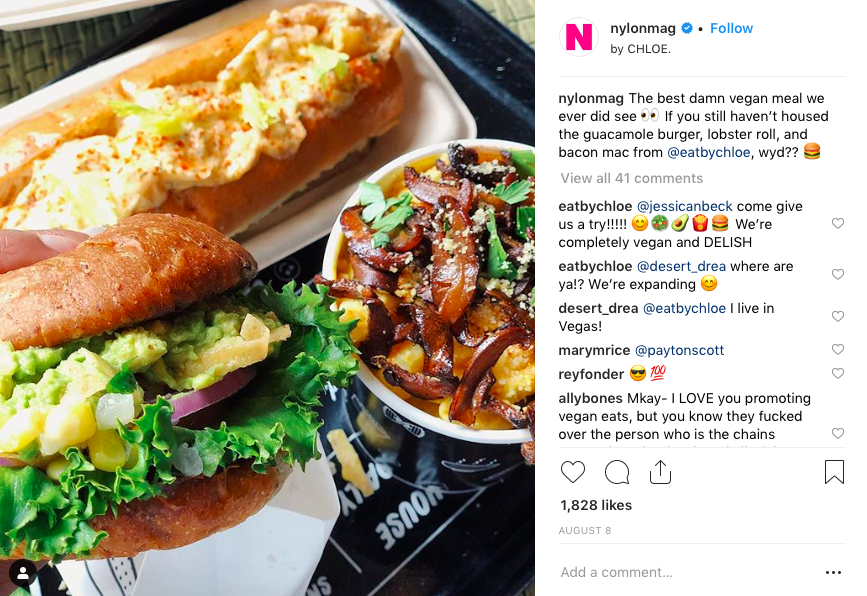
4. If you’re looking to dabble in veganism and still feel oh so satisfied:By Chloe (and get the guac burger!!)
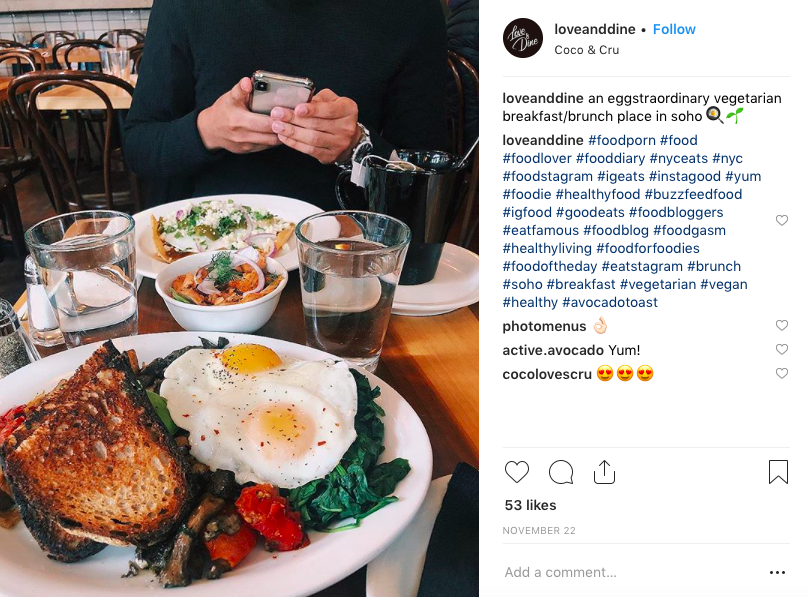
5. For kickass grainbowls and salads: Coco & Cru
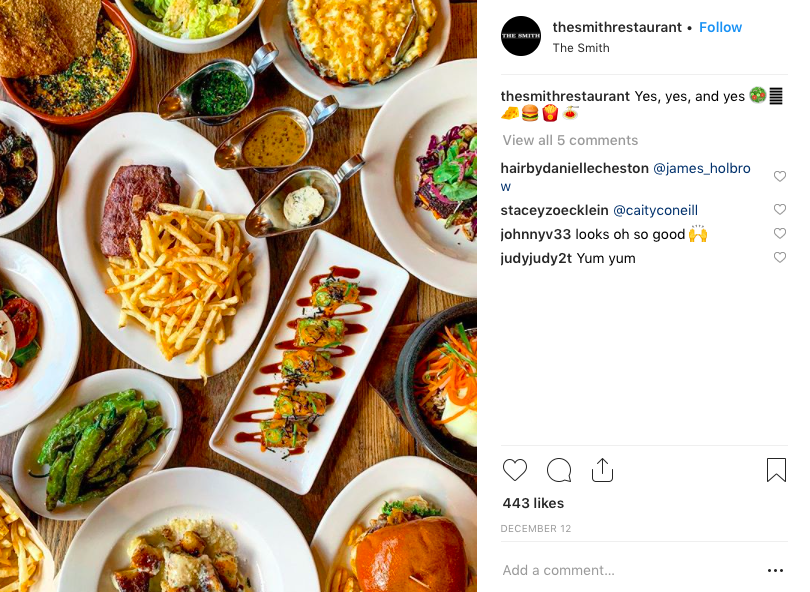
6. If you need a crowd pleaser that has something for everyone: The Smith
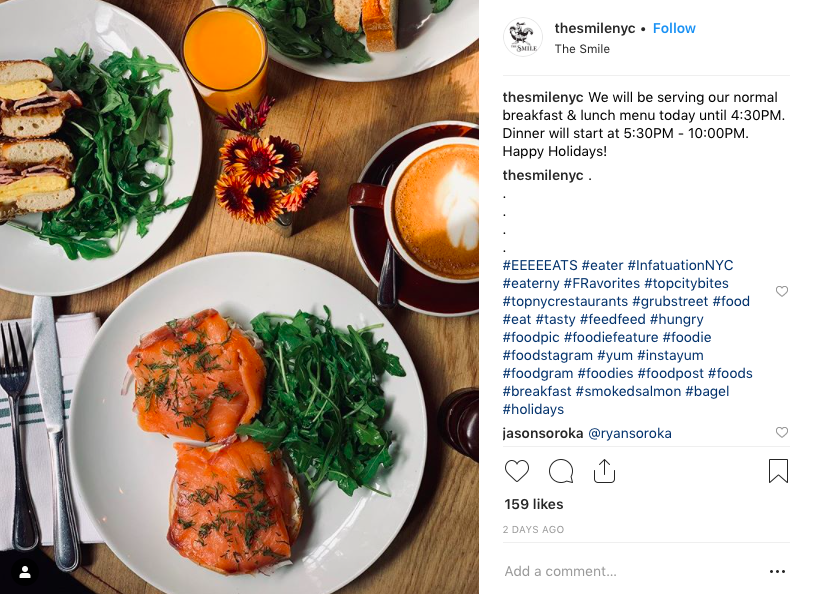
7. If you love a good Mediterranean brunch: The Smile
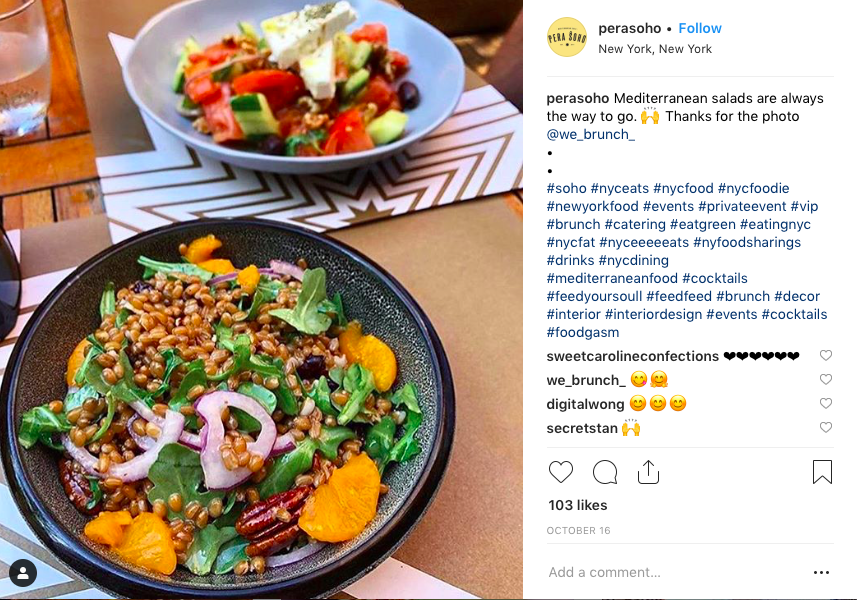
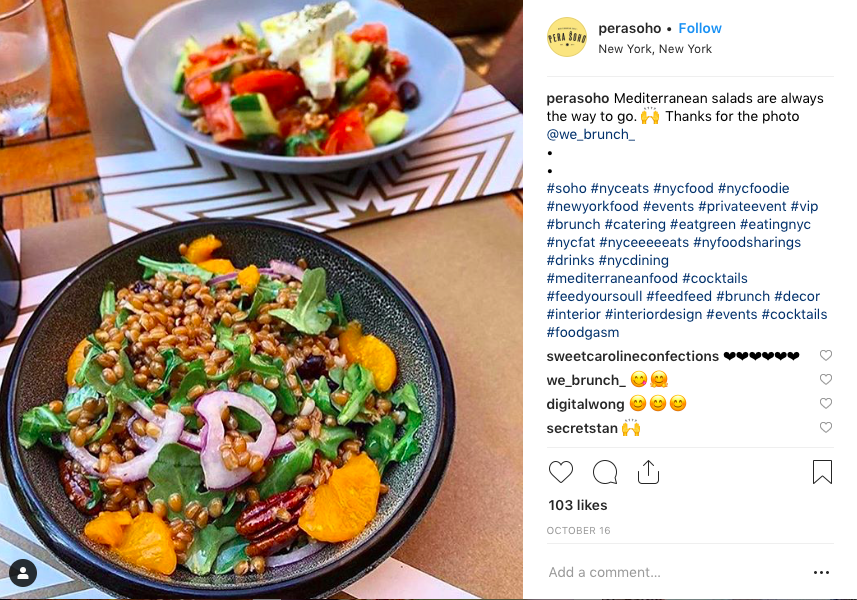
8. For an outdoor spot with all the tropical vibes: Pera Soho
9. For some really unique, locally sourced bites: Foragers Table
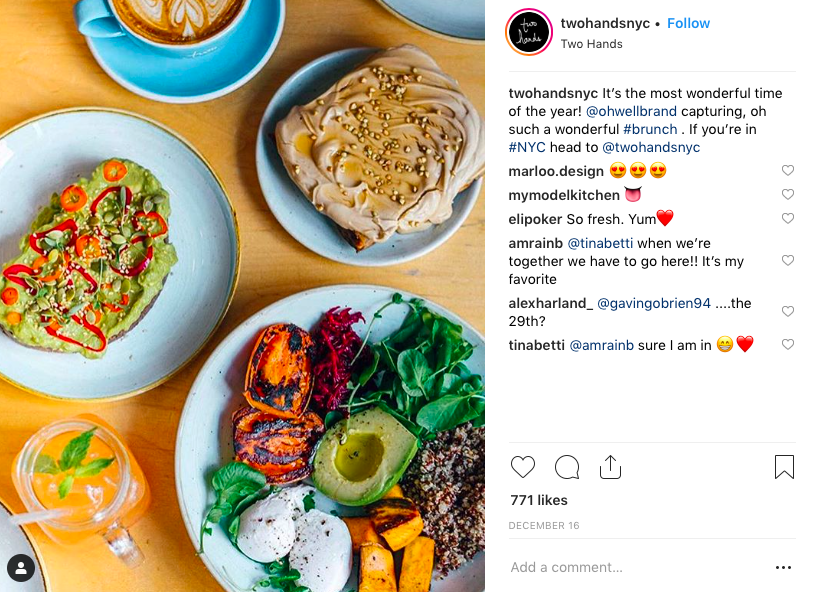
10. For the trendiest brunch in NYC: Two Hands
Our Colleges, Our Courts, Our Country: What the Kavanaugh Hearings Taught me About Elite Institutions
Hard(ish) NewsOur country has experienced a revolution of sorts; now more than ever before, cases of sexual assault are being brought to the forefront of American society. Issues of misconduct have seeped their way into Hollywood, politics, and— perhaps less obviously— our schools.
Brett Kavanaugh, who was recently approved to serve as a justice on the U.S. Supreme Court, attended the prestigious Georgetown Preparatory School as well as Yale Law School. These two schools have much in common: they’re both elite, expensive institutions that breed privilege as well as a culture which can make students feel as though their status puts them above the law. Perhaps not coincidentaly, at both institutions, Brett Kavanaugh was accused of sexual assault and misconduct by multiple women.

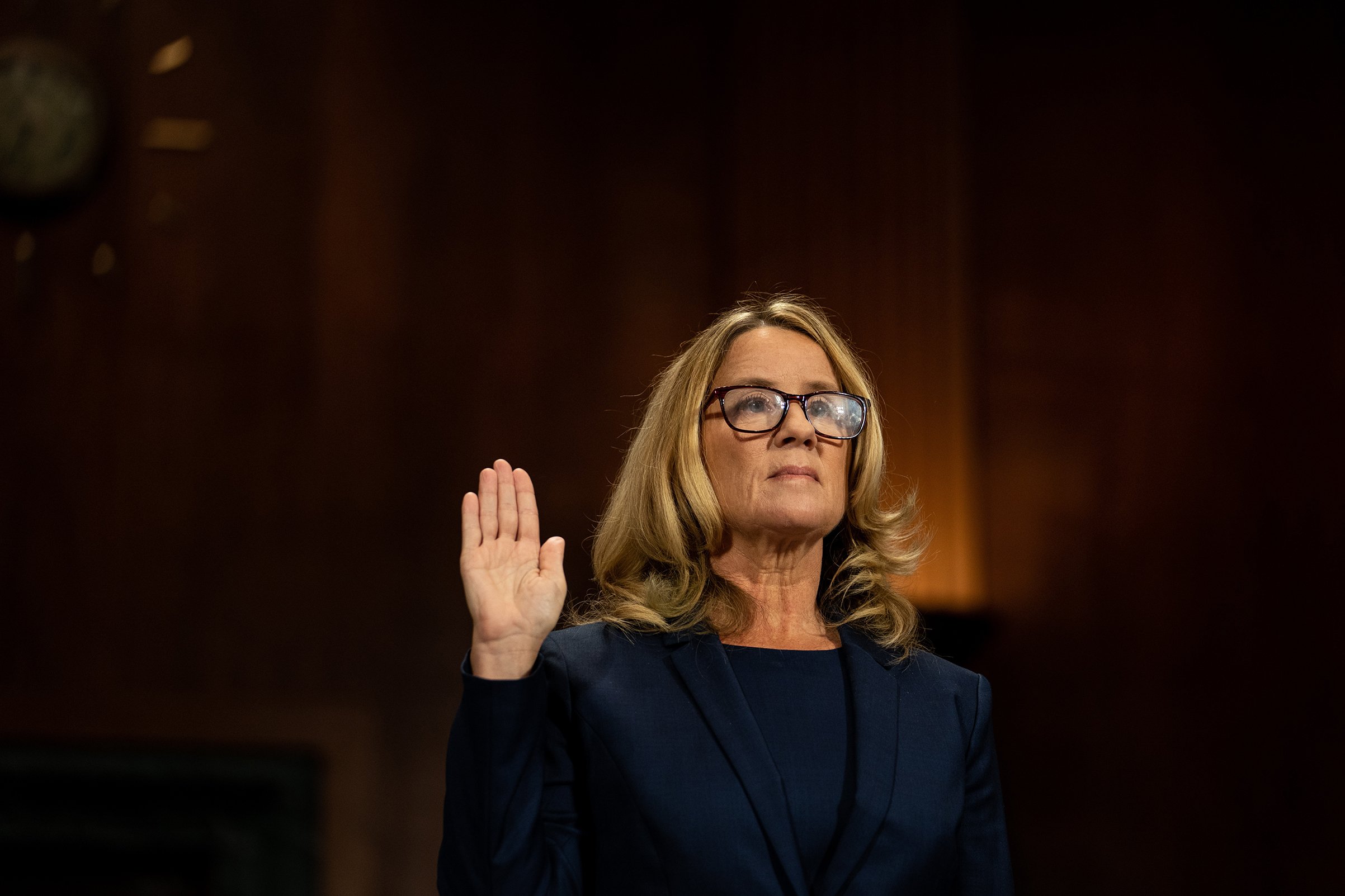
Most notably, Dr. Christine Ford testified to the Senate and recounted her experience in front of politicians and America. Regardless of whether you believe Dr. Ford’s testimony, one thing remains clear: sexual assault and the culture that accompanies it is alive and well within elite schools. Yale News reports that Ivy League schools were found to have higher rates of sexual assault than the average college or university. Paulina Bahary, a senior at Cornell, stated, “I see manifestations of rape culture almost every day in my school community. This isn’t specific to solely Cornell, but present in every privileged, ‘elite’ institution that I have attended [Fieldston and Emory]. Slut shaming, victim blaming, cohesion, and a misunderstanding of consent and the word ‘no’ is commonplace. I think that among white, wealthy men in particular, there is a common, overarching feeling of being entitled, untouchable, and of more importance and value than subordinate groups.”
On a similar note, the University of Southern California, one of the most prestigious colleges in the country, made headlines when a school gynecologist was accused by over 100 women of sexual assault during his thirty year career at the university. His long career was not a product of a lack of complaints by his victims, but rather USC’s blatant disregard for the victims’ accusations. A comparable case occurred at Stanford when Brock Turner, a student and valued member of the swim team, was convicted of assaulting an unconscious woman and was given a mere six month jail sentence, which many felt was inadequet.
Transparency and education surrounding sexual assault contribute to its prevalence. Elite institutions want to have spotless reputations; discussing these issues as directly impacting their school community mars the institution’s facade. highschool Junior Imani Camara stated, “The failure to educate teens and openly talk about these issues makes getting away with assault easier. Change begins and ends with education.”
High school and college students are most threatened by this epidemic: the National Center for Victims of Crime reports that 80% of rape victims experienced their first rape before the age of 25, and 42% before the age of 18. If our students are most at risk, why they have some of the most prestigious schools in the country fallen short in addressing the problem? highschool Junior Jacyn Daniels stated, “Elite schools often consider if the family of the perpetrator donates money to the school. If that is the case, they look past the morality of the situation and sweep it under the rug.” Senior Xander Luke-Mallett agreed, stating, “Although rape culture is perpetuated through all socioeconomic strata, it is definitely more prevalent amongst the elite.”
In a highly publicized recent case at Columbia University, a male student whose parent served on the Board of Trustees was allowed to remain enrolled and graduate despite credible accusations of sexual assult by multiple female students. Although parental donation may play the most significant role in fostering rape culture within a school itself, if the case is brought to court, the judicial system contributes in skewing the outcome at the state level. Cornell senior Paulina Bahary, who worked at the New York District Attorney’s office in the domestic violence precinct, explained, “I was glad to see that the law is interpreted and applied in the same way for all perpetrators, regardless of race and background. I met over 50 prosecutors, and I can say with certainty that none of them would pursue a case a certain way based on a defendant’s identifiers. Regardless, there are other functioning systems at play. The most prevalent manifestation of inequality is the extent to which money affects your relationship with the criminal justice system. This isn’t because you will be favored by prosecutors because you have money, but rather, because you have access to more expensive, competent attorneys who will do a better job of representing you at trial (which could lead to less charges and lower sentencing), or get you a deal with the DA that a defendant with less resources would have no idea even existed.”
In order to dismantle the systems which contribute to the problematic wealth disparity in the justice system, we need leaders who will care enough to do so. Leaders who have benefited from these systems themselves may not be as inclined to break them down. Once allegations agaisnt Kavanuagh were made public, defenses rolled in quickly, characterizing each event (if it happened), as a stupid, childish mistake. All too often people dismiss this kind of behavior as “boys being boys.” This concept suggests the behavior is innocent and insignificant. Highschool Junior Wes Hauser stated, “We have to do better as a community. Not just at Columbia Prep but at institutions like these in general. If we’re not aware of the issue and actively trying to fix it, behavior like this will continue.”
Working From the Inside Out: What Chinese Medicine Did For My Skin (and my mental stability)
WellnessHere it is. The Chinese Medicine article. If you know me personally, you know that I am unable to shut up about Chinese medicine. I have struggled with acne and rosacea since freshman year of high school and nothing (I mean nothing) has worked for me. I started with the run of the mill Mario Badescu drying cream, Kheils, glossier skin care, etc, etc. Nada. Then I decided to pull out the big guns and go see a dermatologist. I followed her regimen of clindamycin and some special moisturizer religiously only for my skin to get WORSE. Around finals week last summer, my skin was the worst it’s ever been: I figured maybe a different dermatologist would be able to solve my problems. No such luck. After filling my body with antibiotics and a topical cream called soolantra (which again, only made my skin worse) I raised the white flag and accepted that I would have to deal with bad skin forever (I also invested in some more full coverage foundation, the glossier skin tint was simply not cutting it anymore).
Then on a trip to Montreal, a family friend recommended Chinese Medicine to me. I figured I had nothing left to lose so I went to see her. Marjie told me to cut out sugar, dairy, fried food, caffeine, and chocolate. She also told me to brew and drink some really gross tea (you can find the recipe here). I was so unbelievably desperate for some kind of solution so I figured what the hell. I’ll listen to this Chinese Medicine Lady and do exactly what she says. It’s month 4 of this insane diet an I am here to report back
The first month was amazing. My skin hadn’t been so clear in 2 years. I could leave the house makeup free with no qualms whatsoever. Life was good.
Right around month two, my skin started breaking out a bit again. I was annoyed but it was still better than it had been in a while. I attributed this change to eating too many RX bars (which include dates, a very “hot” ingredient). My skin fluctuated a lot that month but I kept on keeping on. Eventually, I decided to take matters into my own hands and order Cleanse Powder from the Beauty Chef which is meant to clear up your skin. It had all the ingredients my Chinese Medicine doctor told me to add to my diet (quinoa, fennel, barley, kale, etc.) so I decided to give it a go. Again, initially I was really happy with the results then my skin stated fluctuating again.
Eventually, I realized my stress levels and my skin health are pretty closely related. Unfortunately, the only way to reduce stress-related acne is to be less stressed. As a junior in high school with my lifestyle, this is pretty impossible. Although the stress is a pretty big factor, I know that it’s not the only thing making me break out.
Chinese Medicine has not by any means solved all my skin problems, but it has made my skin better. It’s also given me a sense of control. I was so sick and tired of handing over my body to dermatologists who wanted to put chemicals on and inside my body until something happened. I’ll definitely feel better: I’m less tired, bloated, and I feel really good about nourishing my body. It’s also shown me that I can be super disciplined when I want to be.
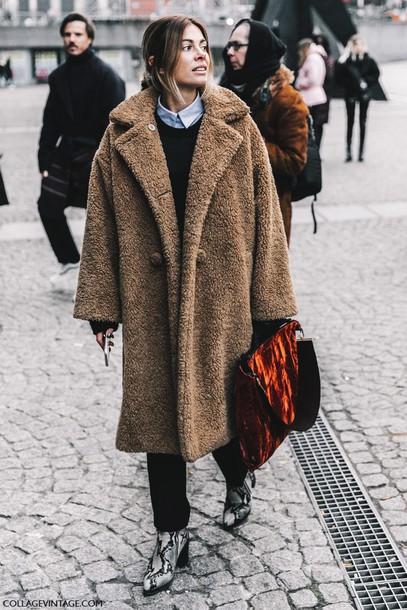
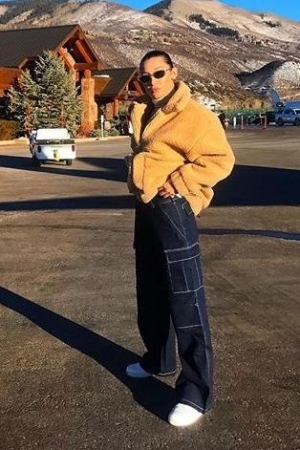
The Teddy Coat
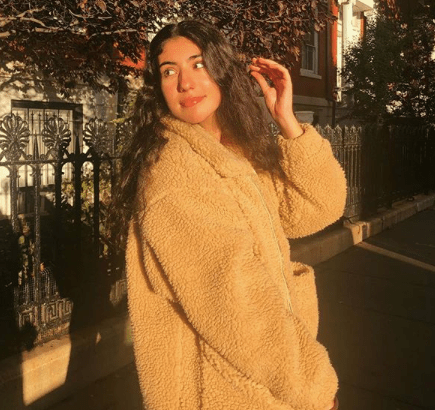
Beauty + FashionWhile I’m pretty sure I AM GIA started this trend, I am absolutely positive that every major retailer sells it now and honestly, I’m not mad about it. Sure, at this point its super basic (I once walked into Bluestone Lane to see not one but three other girls wearing the exact I AM GIA Teddy Coat that had on) but its comfortable as hell and really cute. It’s like the soul cycle of outerwear, everyone likes it because its GOOD. Go you Teddy Coat, I support you.

Shop the trend!
 siteforsoreeyes